Want Listings from Modern Living LA
Main Content
Craftsman
Craftsman
The Craftsman home wasn't just a style. It was a rebellion. In the late 1800s, as the Industrial Revolution filled America with mass-produced Victorian homes, a new movement began to take shape, one that embraced handcrafted materials, natural beauty, and thoughtful design over speed and ornamentation. Furniture maker Gustav Stickley helped spread those ideas, while architect Louis Sullivan introduced the principle that form follows function. His protégé, Frank Lloyd Wright, expanded that vision even further through homes designed to exist in harmony with nature.
But nowhere did the Craftsman movement flourish more beautifully than Southern California. Thanks to the region's mild climate, Los Angeles and Pasadena became the true heart of the American Craftsman movement, drawing architects and homeowners eager to build in a way that blurred the line between indoors and out. No architects defined the style more than Charles and Henry Greene, whose firm Greene and Greene helped transform the humble Craftsman bungalow into something closer to art. Their 1908 design for the Gamble House in Pasadena remains the movement's masterpiece.
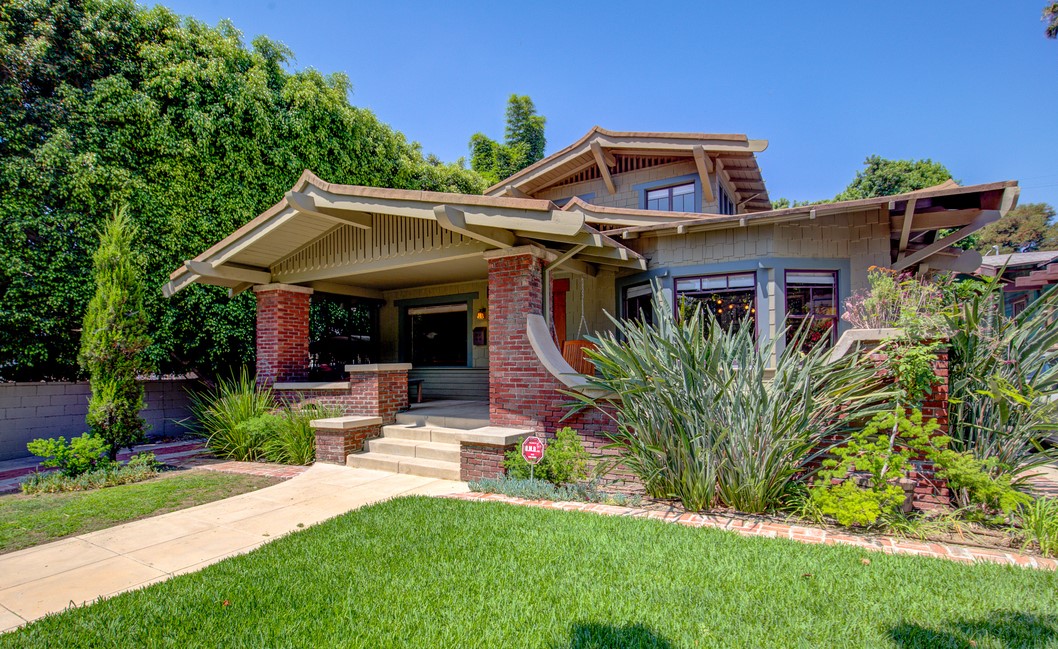
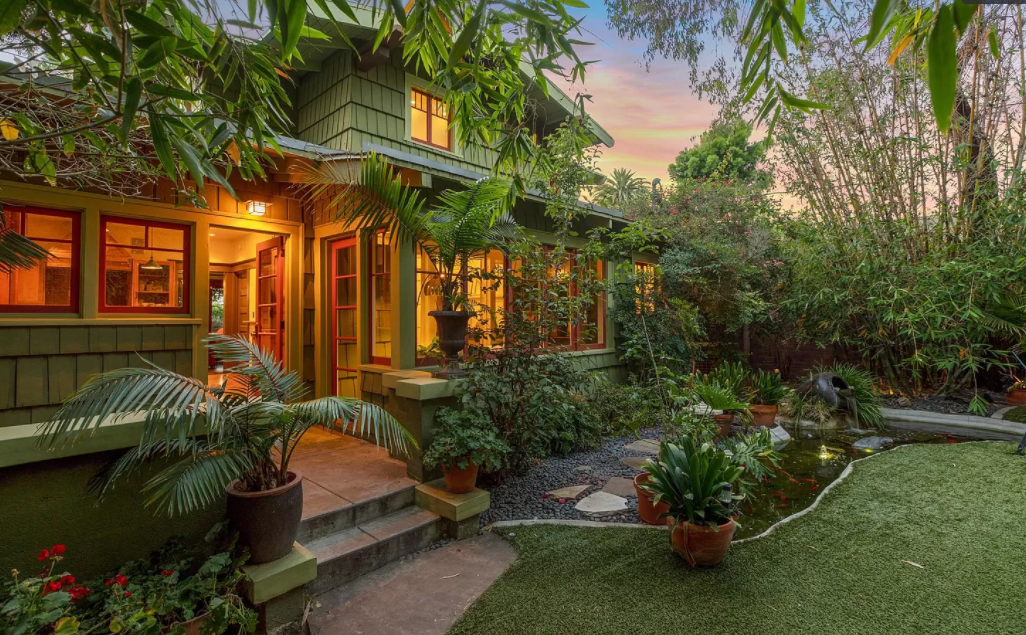
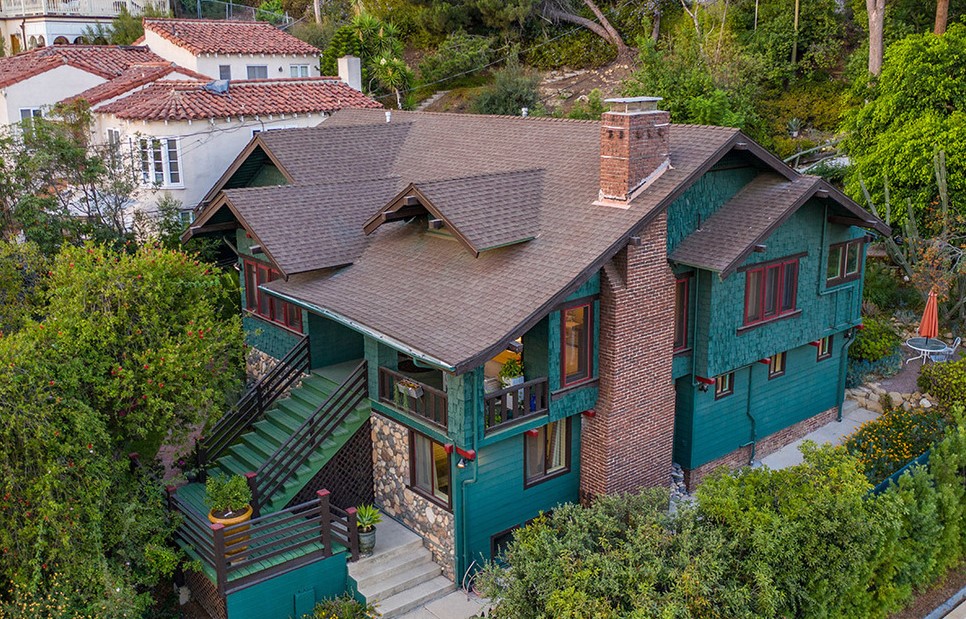
Craftsman homes are recognizable for their warmth and texture. Exposed beams and rafters, low-pitched gable roofs, tapered columns, and deep, shaded front porches all reflect the movement's core belief, that a home's beauty should come from the skill of the people who built it. Built-in cabinetry, natural wood, and stone detailing carry that same philosophy indoors, creating spaces that feel both handcrafted and deeply connected to their surroundings.
More than a century later, these homes remain one of Southern California's most enduring architectural treasures, still celebrated for their craftsmanship, simplicity, and lasting connection to nature.