Want Listings from Modern Living LA
Main Content
Mid-Century Modern

Mid-Century Modern
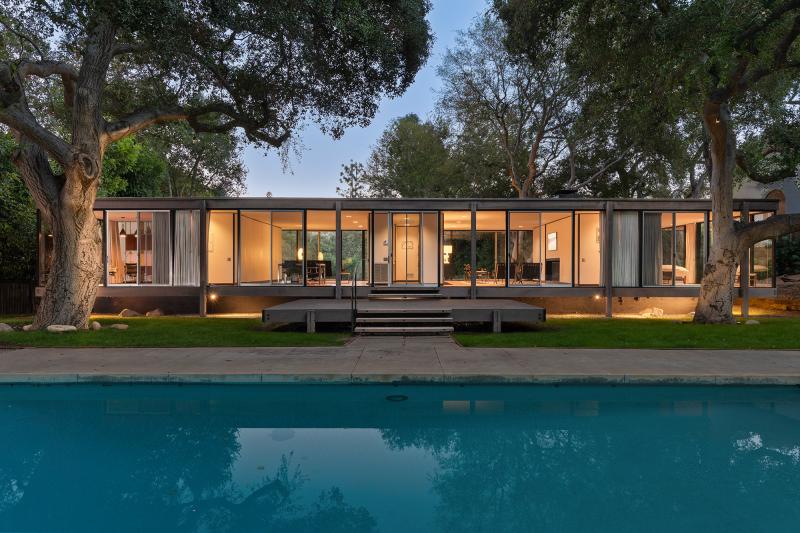
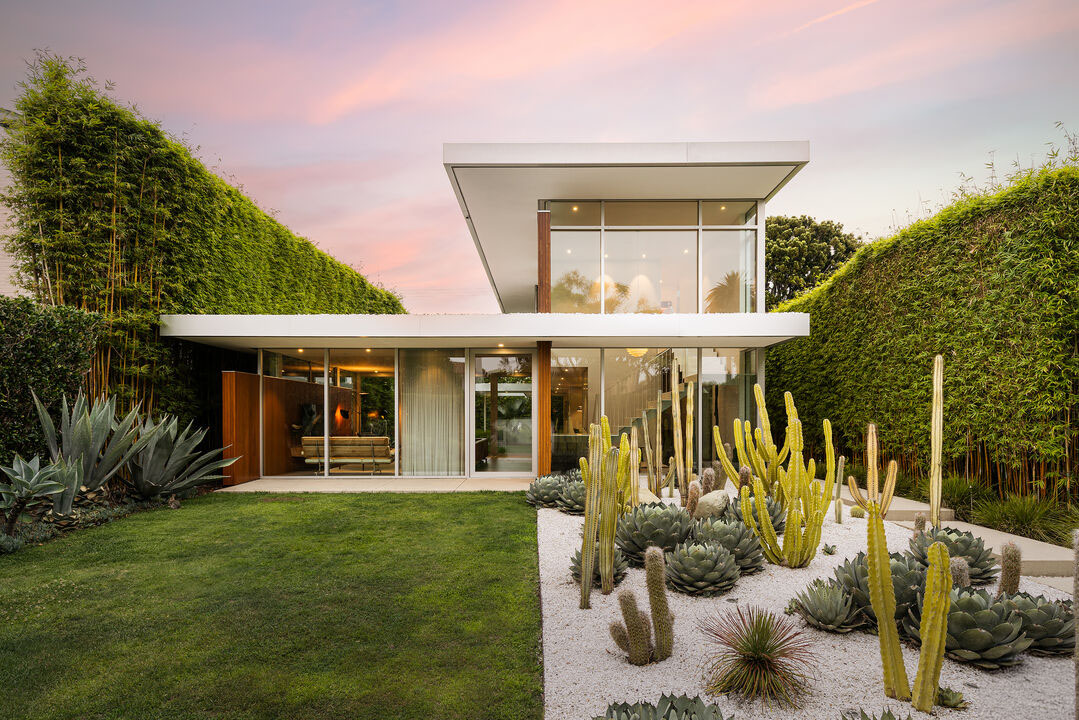
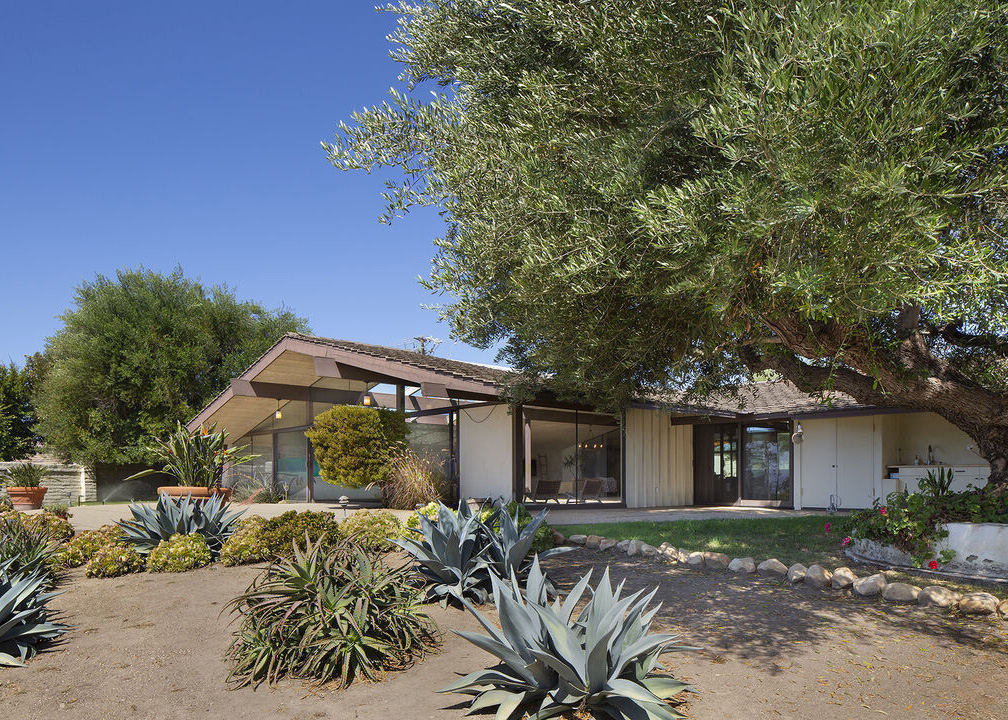
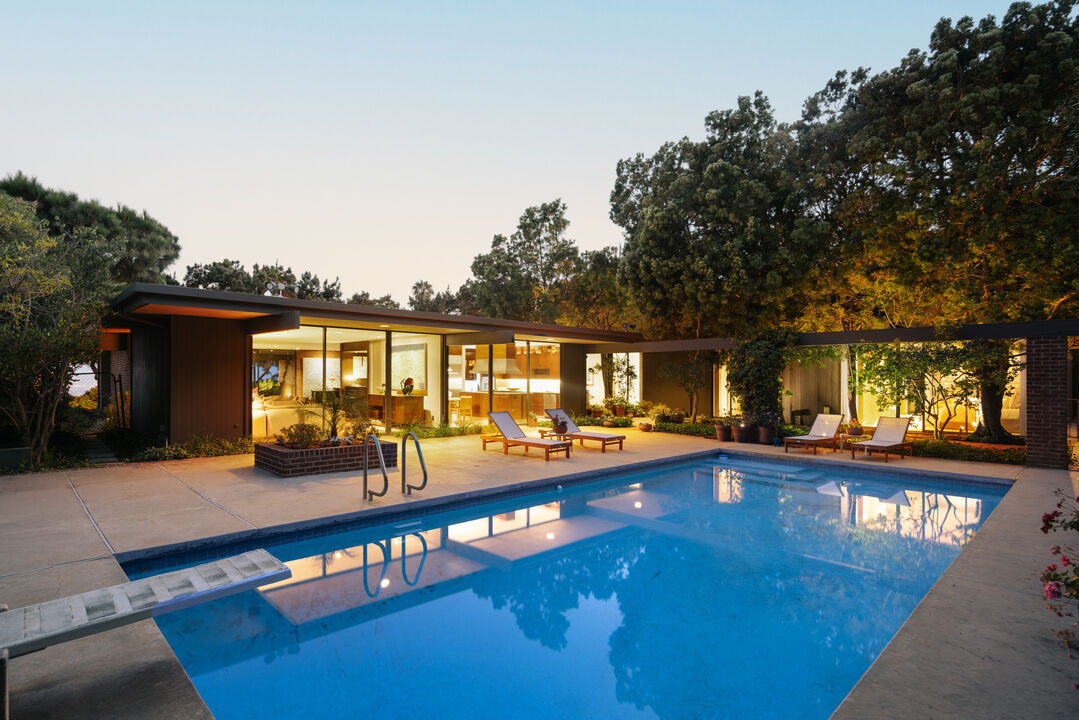
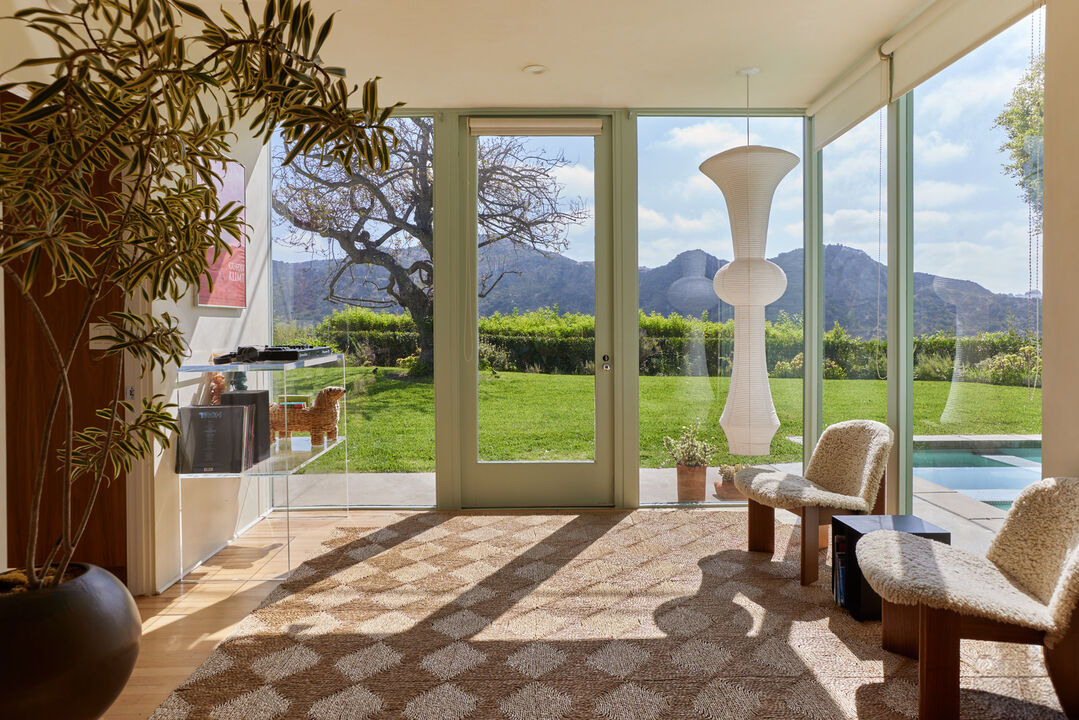
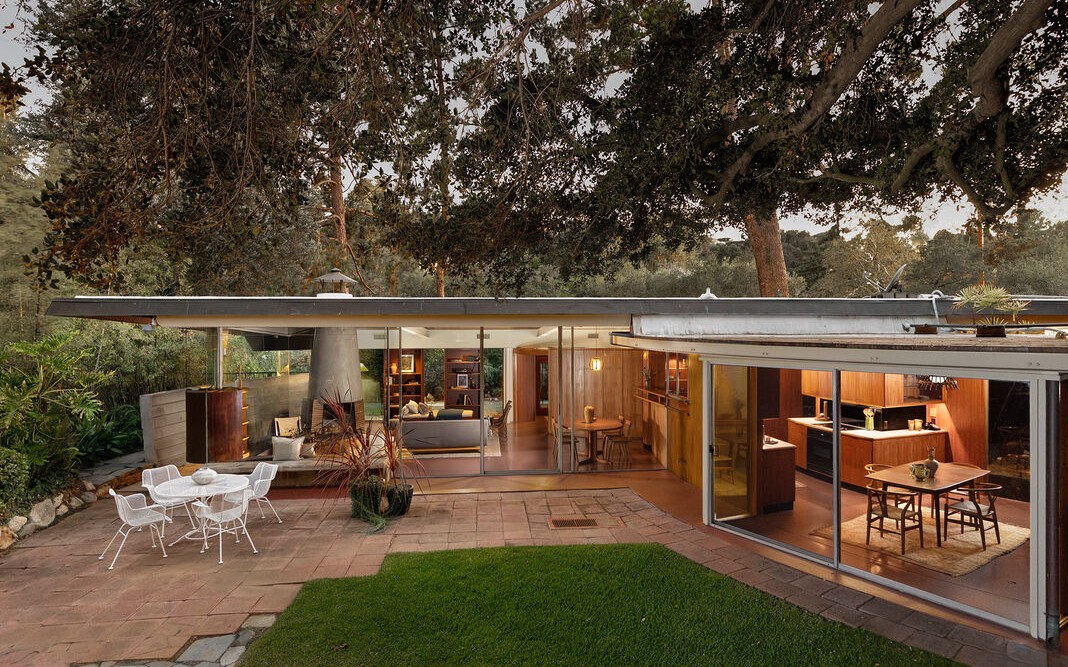
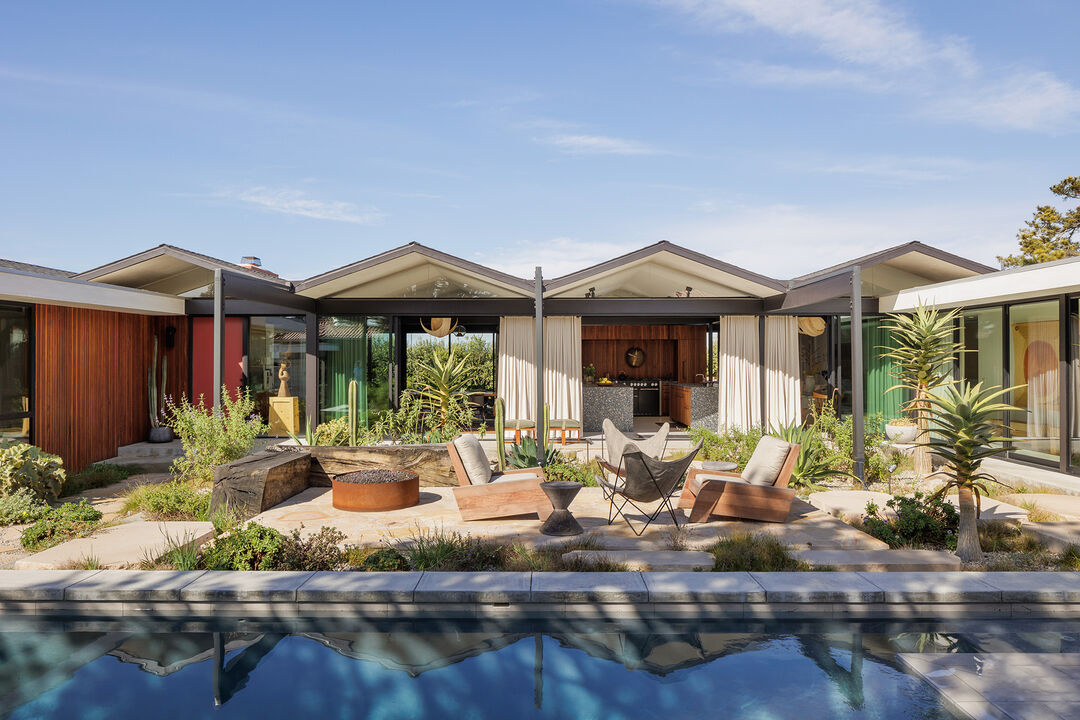
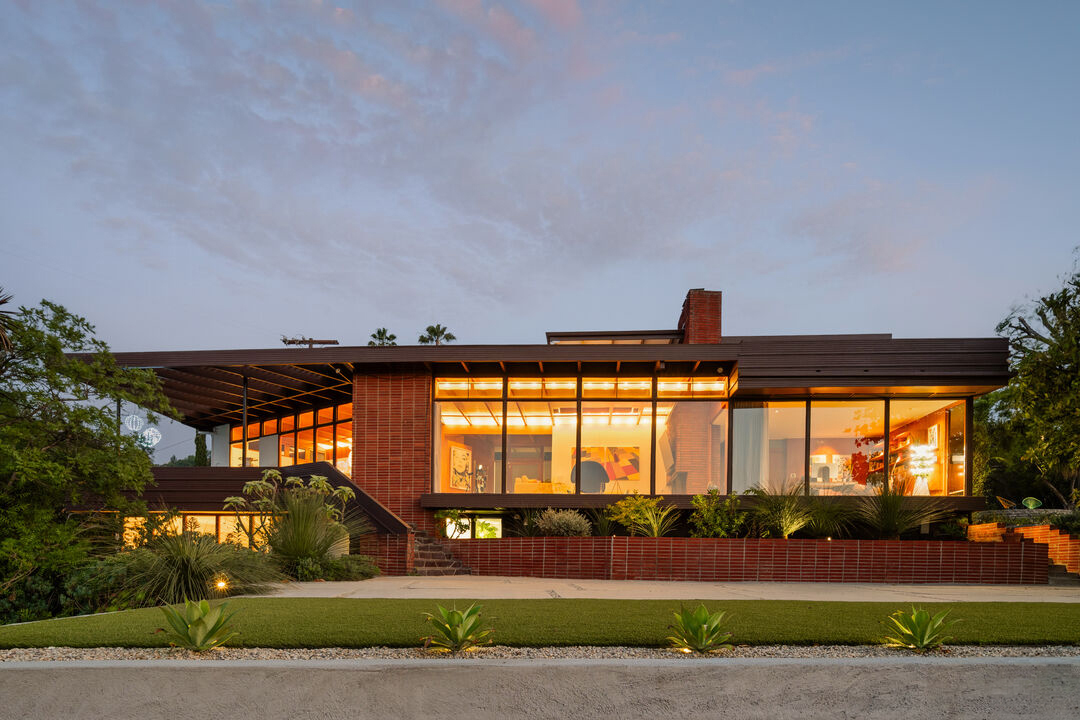
Few places in the world have a richer collection of mid-century modern architecture than Southern California. Emerging in the 1940s and flourishing through the 1960s, the movement transformed residential design with open floor plans, walls of glass, clean lines, and a seamless connection between indoor and outdoor living. Los Angeles became a particularly fertile ground for architectural experimentation, where the region's mild climate, dramatic landscapes, and spirit of innovation inspired architects to rethink the American home. From the Hollywood Hills to the San Fernando Valley, Pasadena to Palm Springs, Southern California became a showcase for some of the most influential residential architecture of the 20th century.
Central to this architectural revolution was the Case Study House Program, launched in 1945 by Arts & Architecture magazine under editor John Entenza. The ambitious program commissioned leading architects to design innovative, affordable, and practical homes for postwar American living, embracing new materials, construction techniques, and modern lifestyles. Among its most celebrated examples are the Eames House (Case Study House #8) by Charles and Ray Eames, the iconic Stahl House (Case Study House #22) by Pierre Koenig, and the Bailey House (Case Study House #21), also by Koenig. These groundbreaking residences helped establish Los Angeles as an international center of modern architecture and continue to influence residential design around the world.
Southern California's remarkable architectural legacy extends well beyond the Case Study program. Visionary architects including Richard Neutra, Rudolph Schindler, John Lautner, A. Quincy Jones, Gregory Ain, Cliff May, William Krisel, and Craig Ellwood created homes that redefined modern living. Landmark residences such as Neutra's Lovell Health House, Schindler's Kings Road House, Lautner's Chemosphere, and the celebrated Kaufmann Desert House in Palm Springs remain enduring examples of the movement's creativity and ambition. Today, Los Angeles and the surrounding region possess an exceptional concentration of mid-century homes, ranging from internationally recognized masterpieces to thoughtfully designed neighborhoods. Their timeless appeal, architectural character, and distinctly California approach to living continue to captivate homeowners, designers, and architecture enthusiasts alike.