Want Listings from Modern Living LA
Main Content
Traditional
Traditional
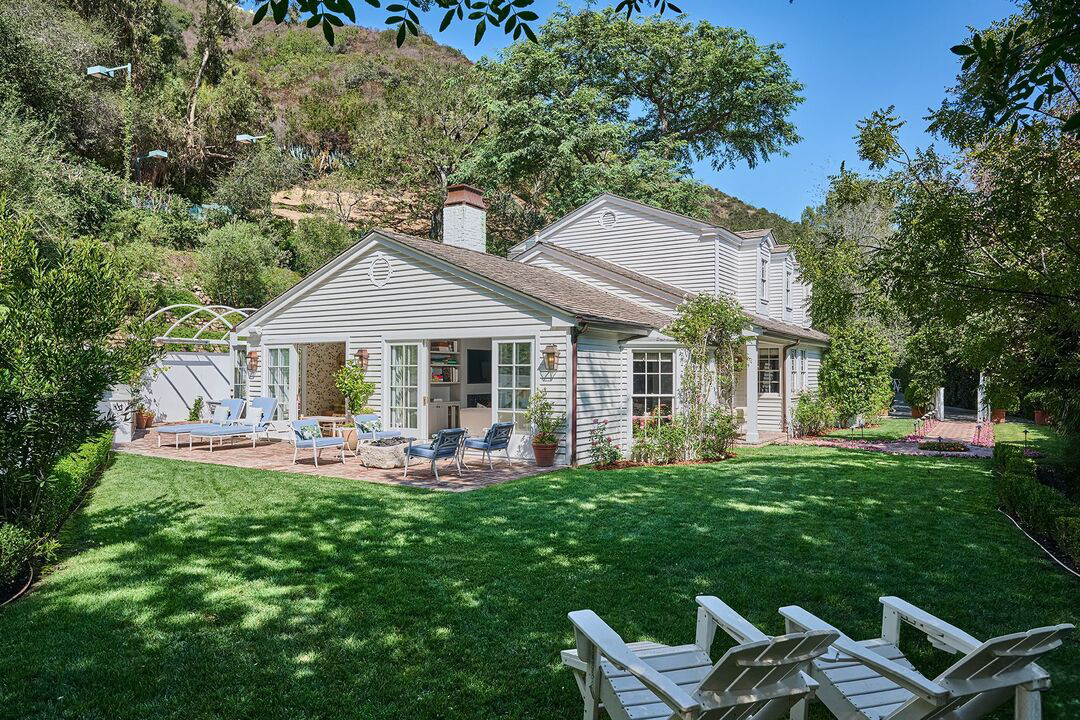
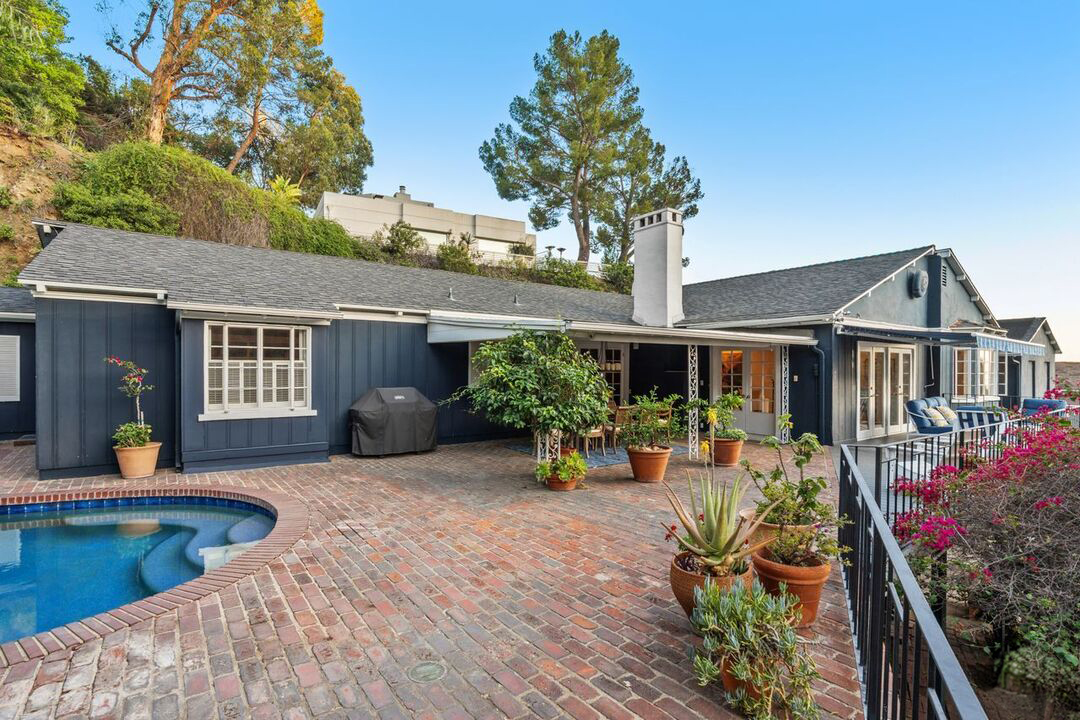
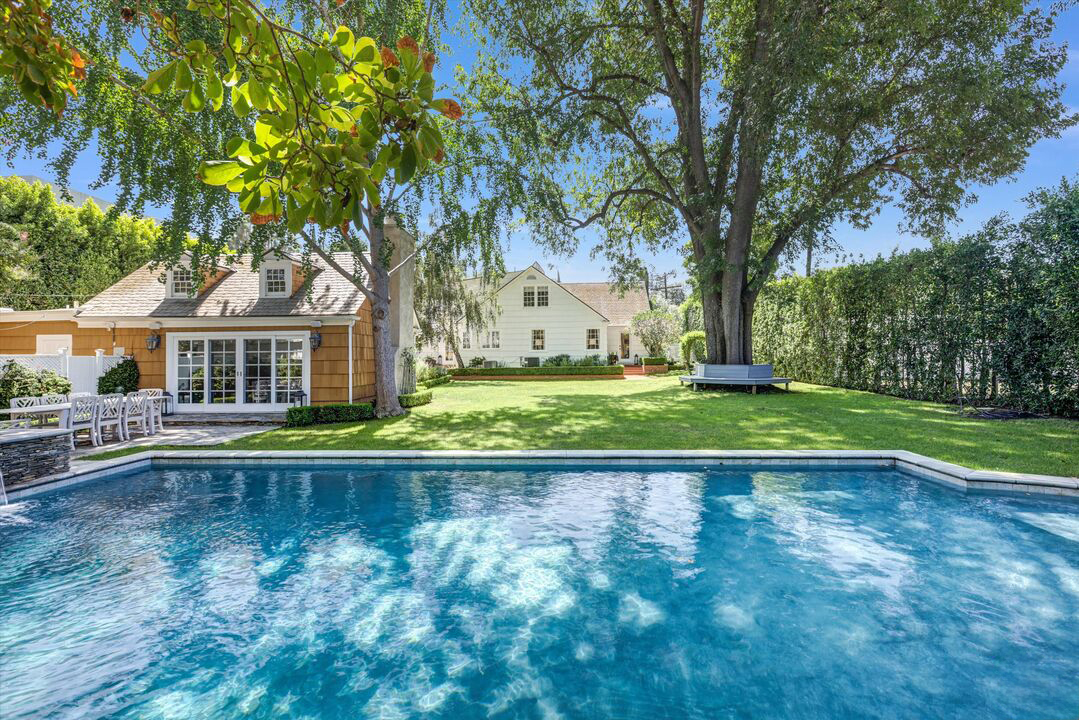
There's a familiar warmth to a Traditional home — the kind of feeling you get walking up to a wide front porch and knowing, somehow, that this is a house built for gathering. California has plenty of homes like this, shaped by an architectural language that traveled a long way to get here. As Southern California's population boomed in the postwar decades, East Coast influences found their way west, and with them came design elements rooted in comfort, familiarity, and history rather than reinvention.
Cape Cod is one of the clearest examples of that East Coast influence taking hold on the West Coast. Originally developed by colonial settlers to withstand harsh New England winters — steep roofs to shed snow, central chimneys to hold heat — the style saw a major revival in the 1940s and 50s as an affordable, easy-to-build option for a new generation of homebuyers. That same practicality and charm made it a natural fit for California's postwar suburbs. Alongside Cape Cod, elements of Colonial Revival design found their way into Traditional homes throughout the region, contributing details like shuttered windows, columned entries, and classic pitched rooflines.
Despite their East Coast origins, Traditional homes in Los Angeles have made themselves entirely at home. Wide front porches, dormer windows, and classic double-hung sash windows lend these houses an inviting, lived-in warmth, while their straightforward, symmetrical layouts have proven timeless enough to suit generations of families. It's a style less concerned with trend and more concerned with permanence — houses built to feel established from the day they're finished.
In a city known for reinvention, Traditional homes offer something different: a sense of continuity, a nod to another coast, and proof that not every great LA home needs to look forward to feel right at home.